SNI
The Sistema Nacional de Investigadores (SNI) is a Mexican public program that awards grants to researchers based on academic productivity. Founded in 1984, it remains a cornerstone of Mexico’s scientific ecosystem.
In 2019, the SNI published its annual results as a PDF—available here. I decided to parse the data and take a closer look.
Basic Overview
The historical records list all active SNI members as of 2018. Reading the Excel file into pandas:
import pandas as pd

df_all = pd.read_excel("/Users/rdora/Downloads/BENEFICIARIOS_2018.xlsx")
df_all = df_all.iloc[:, 0:14]
print(df_all.shape)
This gives us 28,633 active SNI researchers.
2019 Results
The 2019 results PDF spans 203 pages. Using tabula-py to extract the tables:
import tabula

path = "/Users/rdora/Downloads/RESULTADOS_SNI_CONVOCATORIA_2019_INGRESO_O_PERMANENCIA.pdf"
dfs = [tabula.read_pdf(path, pages=str(p)) for p in range(1, 204)]
df = pd.concat(dfs, axis=0).dropna()
After cleaning, we get 9,942 candidates with their SNI level and name. To find new researchers:
df_all["NAME"] = df_all["PATERNO"] + " " + df_all["MATERNO"] + "," + df_all["NOMBRE"]
df_new = df[~df.NOMBRE.isin(df_all.NAME)]
Of the 5,338 new researchers, 42% are female—compared to 37% among existing members.
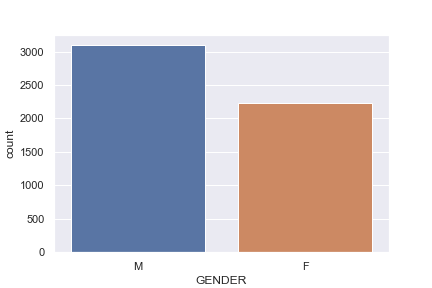
Figure 1: Gender distribution of new members
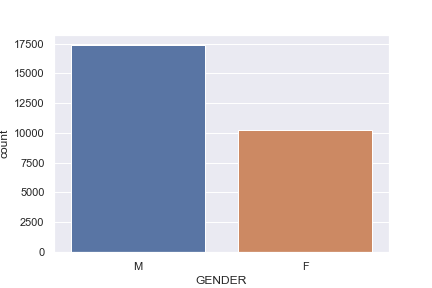
Figure 2: Gender distribution of existing members
Researchers are assigned one of six levels: Candidate (C), one- or two-year extensions (PC1, PC2), and SNI Levels 1–3. New members are mostly Candidates (54%) and Level 1 (38%), with only 1.5% reaching Level 3.
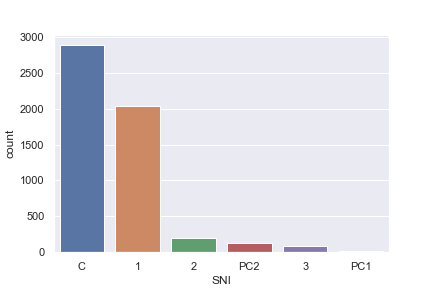
Figure 3: New members by SNI level
The gender gap widens at higher levels: female researchers are more likely to be Candidates (57% vs. 51% of males), while males are 1.5× more likely to reach Level 2 and 3× more likely to reach Level 3.
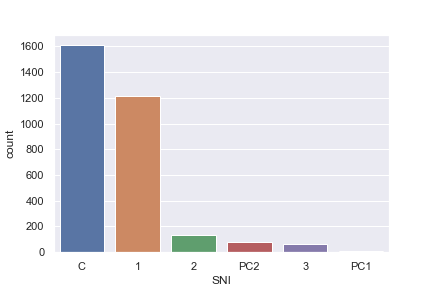
Figure 4: New members by SNI level — Males
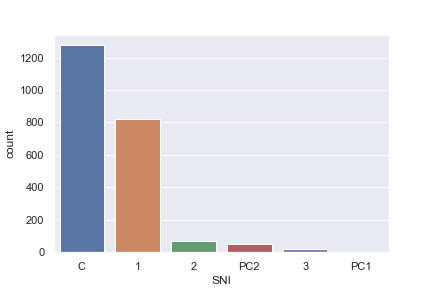
Figure 5: New members by SNI level — Females